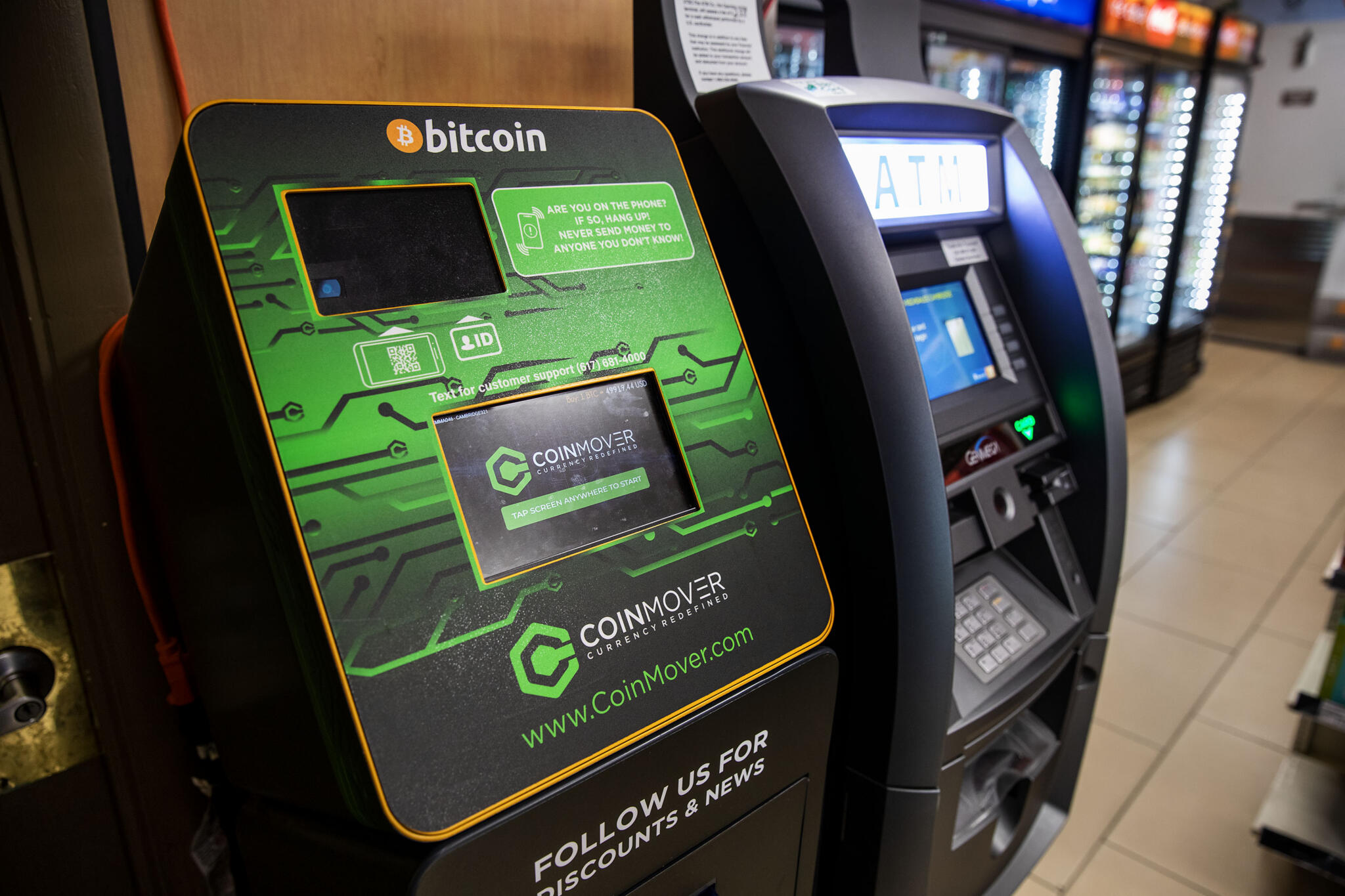
States and cities across the country are moving to ban cryptocurrency kiosks. Local leaders are taking action because scam reports linked to these physical machines keep mounting. Officials want to protect everyday people from losing their hard-earned cash through fake transactions.
Why are local leaders pushing to ban cryptocurrency kiosks?
Cryptocurrency kiosks look just like regular bank ATMs, but they let people turn cash into digital coins. Scammers often trick victims into sending money using these street machines. Because cash moves instantly into digital accounts, victims cannot get their money back once it leaves their hands.
Reports of bad actors using these machines have grown quickly. Many city officials feel that local bans are the best way to keep vulnerable people safe. Local leaders hope that shutting down the kiosks will block the main paths scammers use to take money from older adults and everyday buyers.
What does a cryptocurrency kiosk ban mean for consumers?
If your local area passes a ban, you will no longer see these machines in gas stations or corner stores. People will have to use online exchanges if they want to trade digital tokens. This extra step makes it harder for quick street fraud to succeed.
Stopping street-level scams is a major goal for consumer groups. When cash kiosks go away, criminals lose a quick tool for moving stolen funds. You can learn more about how bad actors target financial tools by reading about cryptocurrency and crime online.
How do criminals use cash machines to trick people?
Scammers call victims on the phone and pretend to be government workers, police officers, or big companies. They scare people into thinking they owe money right away. Then, they tell the victim to go to a nearby cash machine and buy digital coins.
- Scammers tell victims to deposit cash into specific kiosk locations.
- The victim scans a barcode sent by the bad actor.
- The cash turns into digital coins and goes straight to the scammer.
- The victim realizes the trick after the money is completely gone.
What should you watch for next as bans mount?
More towns and state leaders are reading these fraud reports today. You can expect more public meetings where local boards vote on quick bans. Many store owners may soon be forced to remove the machines from their floor space entirely.
Lawmakers want to send a clear message that consumer safety comes first. As scams mount, the pressure on lawmakers to act will only get stronger. People should stay alert, avoid sending cash through local kiosks, and check official government warnings often.